


What to Expect When You Need Emergency HVAC Service
Emergency HVAC service usually becomes necessary at the worst possible moment, often during extreme weather when comfort and routine suddenly disappear. Stress rises quickly once heating or cooling stops working, especially when people rely on the space for living or business operations. Understanding what happens next helps you stay calm and make decisions without feeling rushed or overwhelmed.
Homeowners, property managers, builders, and business owners all want clear answers during urgent situations without confusing explanations. You want to know what is happening, what matters right now, and what can reasonably wait. Clear expectations make emergency situations feel far more manageable.
What Emergency HVAC Service Typically Involves
Emergency HVAC service focuses on restoring basic heating, cooling, or ventilation safely and efficiently when systems fail unexpectedly. Technicians concentrate on immediate functionality, indoor comfort, and safety concerns rather than optional upgrades or long-term improvements. The goal involves stabilizing the system so you can regain comfort and make informed next steps.
Why HVAC Emergencies Rarely Happen Without Warning
Even though failures feel sudden, most HVAC emergencies develop slowly through warning signs many people overlook. Strange noises, inconsistent temperatures, poor airflow, or unexplained shutdowns often appear weeks or months earlier. Emergency HVAC service becomes necessary when those issues escalate faster than expected.

Many emergency situations connect to deferred maintenance, aging components, or ductwork problems that gradually reduce system resilience. Small inefficiencies build stress inside the system until something finally gives out. Emergency HVAC service addresses the breakdown itself, not the underlying wear.
Seasonal demand also pushes systems harder than usual, especially during extreme heat or cold stretches. Equipment operates longer cycles under heavier loads, exposing weaknesses that stayed hidden before. Emergency HVAC service becomes more common when systems reach their operational limits.
When System Failures Signal a True Emergency Situation
As problems escalate quickly, understanding what truly qualifies as urgent helps you respond without unnecessary panic. Emergency HVAC service usually applies when comfort loss creates safety concerns, operational shutdowns, or immediate building risks. Situations involving extreme temperatures or ventilation failure often move beyond routine repair territory.
Complete heating or cooling loss during extreme weather can create unsafe indoor conditions for occupants. Emergency HVAC service becomes necessary when temperature control directly affects health or basic habitability.
Electrical smells, sparks, or repeated breaker trips indicate risks that should never wait for normal scheduling. Emergency HVAC service helps address potential hazards before damage spreads.
Ventilation failures in commercial or multi-occupant buildings can rapidly reduce indoor air quality. Emergency HVAC service restores airflow when stagnant conditions become unhealthy.
Sudden shutdowns affecting servers, equipment, or temperature-sensitive inventory disrupt operations beyond comfort concerns. Emergency HVAC service focuses on stabilizing conditions to limit further impact.
Heating failures during freezing conditions can threaten plumbing and building infrastructure. Emergency HVAC service becomes critical when system failure risks secondary damage.
Clear emergency signals help you act decisively instead of hesitating. Recognizing urgency protects people, property, and operations from avoidable consequences. Early action keeps small failures from escalating further.
What Happens During an Emergency HVAC Service Call
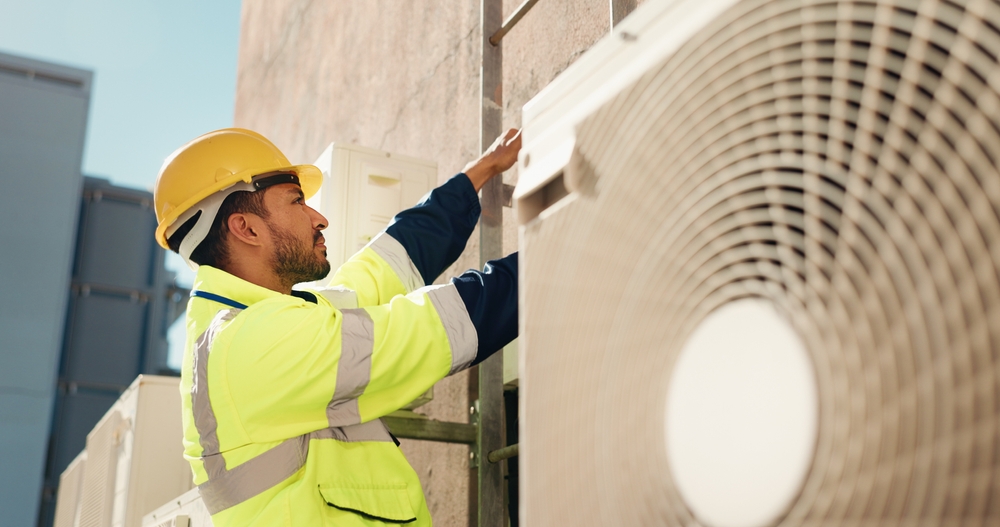
Once the call is placed, the response process prioritizes safety, stabilization, and restoring basic system operation. Technicians focus first on identifying immediate risks and causes behind the failure. Emergency HVAC service emphasizes clarity so you understand what is happening under pressure.
Initial inspections check equipment condition, electrical components, airflow paths, and ventilation function. Findings get explained in plain language so you know what failed and why it matters. Emergency HVAC service avoids technical overload during already stressful moments.
Temporary repairs sometimes restore enough function to regain comfort quickly. Larger fixes or replacements often require planning once conditions stabilize. Emergency HVAC service separates urgent needs from longer-term decisions.
Ductwork and ventilation issues frequently contribute to emergency failures. Blockages, collapses, or airflow imbalances strain equipment unexpectedly. Emergency HVAC service considers system-wide performance, not just visible components.
How Emergency Repairs Influence Long-Term System Decisions
After the immediate issue settles, bigger questions naturally come into focus about system reliability. Emergency HVAC service often exposes patterns that routine visits never fully reveal. Stressful breakdowns highlight whether repairs still make practical sense.
Emergency fixes sometimes uncover aging components reaching the end of reliable operation. Emergency HVAC service clarifies whether repairs address causes or only symptoms.
Repeated failures during peak demand indicate declining system resilience. Emergency HVAC service helps identify reliability limits.
Hard to source parts slow future repairs and increase downtime risk. Emergency HVAC service reveals maintenance challenges ahead.
Ductwork or ventilation deficiencies discovered during emergencies limit performance even after repairs. Emergency HVAC service brings airflow limitations into view.
Operational disruption often reshapes how owners view repair spending. Emergency HVAC service reframes decisions around reliability rather than habit.
Emergency situations create valuable clarity when emotions settle. Lessons learned help guide smarter planning instead of repeated reaction. Acting on insights reduces future stress.
How to Move Forward After an Emergency HVAC Situation
Once the immediate stress fades, taking a step back helps you make better long-term decisions without pressure driving the process. Emergency HVAC service often reveals weaknesses in system design, maintenance history, or overall suitability for your space. Looking at those factors calmly helps you avoid repeating the same situation.

You should consider how the failure affected comfort, safety, or daily operations across your home or building. Systems that interrupt routines or business repeatedly deserve closer evaluation beyond the latest repair. Emergency HVAC service becomes a turning point when reliability matters more than short-term fixes.
Thinking ahead also means factoring in ductwork condition, ventilation needs, and how the space actually gets used today. Changes in occupancy, equipment, or layout can quietly strain older systems. Emergency HVAC service highlights whether your setup still matches real-world demands.
Ready to Regain Control After an HVAC Emergency
Emergency situations feel overwhelming because they remove control when comfort or operations matter most. Learning what emergency HVAC service involves helps you respond with confidence instead of reacting blindly under stress. Clear expectations make future decisions feel manageable instead of rushed.
Advantage Sheet Metal helps homeowners and businesses navigate emergency situations with straightforward communication and practical guidance. Whether you need emergency HVAC service, repairs, system evaluation, ductwork adjustments, or long-term planning, the focus stays on what actually makes sense. Contact Advantage Sheet Metal when you want reliable answers, responsive support, and HVAC decisions handled the right way.